A wardrobe app. Sounds like something nobody asked for, right? Maybe. But the guys who download one tend to be the same guys who own 40 shirts and wear six of them.
If getting dressed is already easy for you, this category probably isn't for you. But if you've ever worn the same three outfits on rotation because you couldn't figure out what else works, it starts to make more sense.
Full disclosure: we built one of these. Grayne is our take on what a wardrobe app should be. But this article covers the whole category honestly.
Here's what wardrobe apps actually do, how the technology works, and how to decide if one is worth your time.
What a Wardrobe App Does
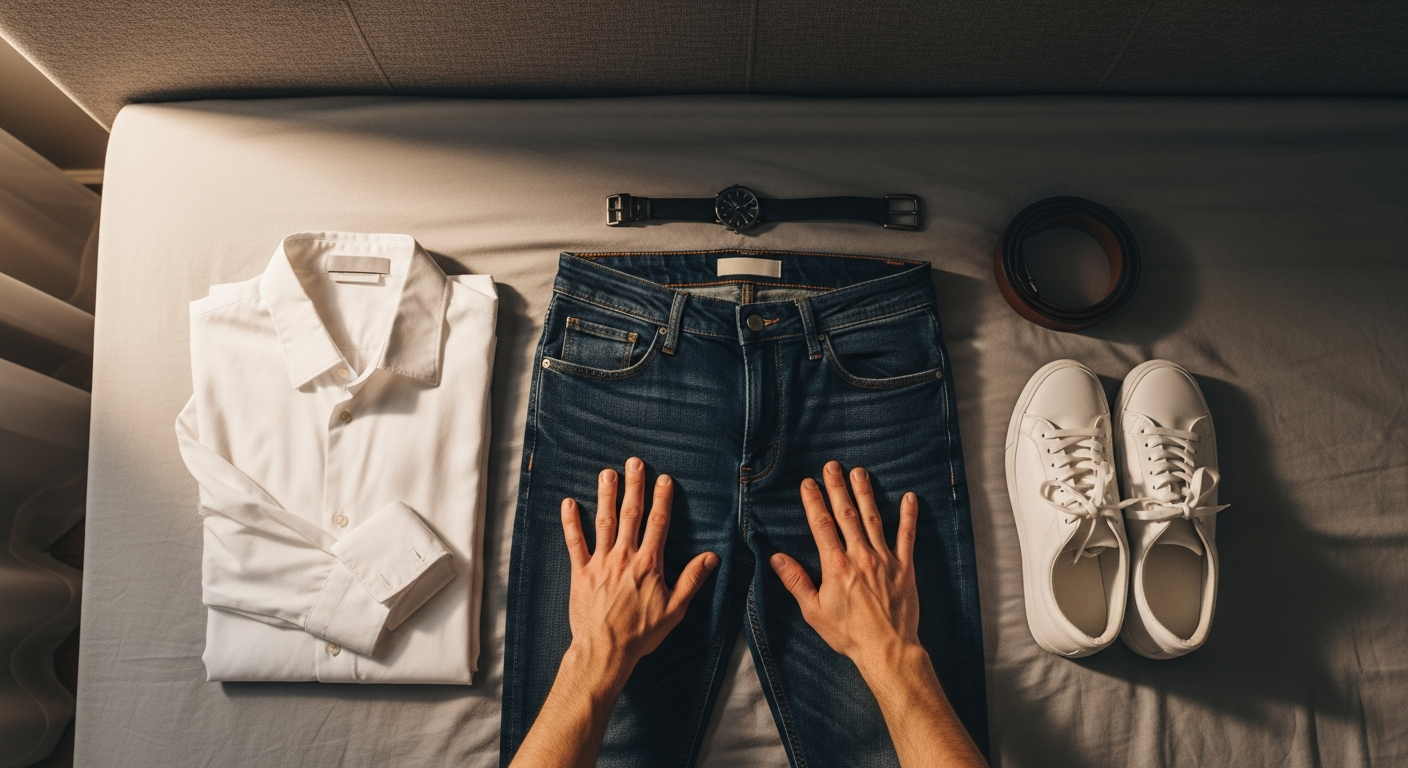
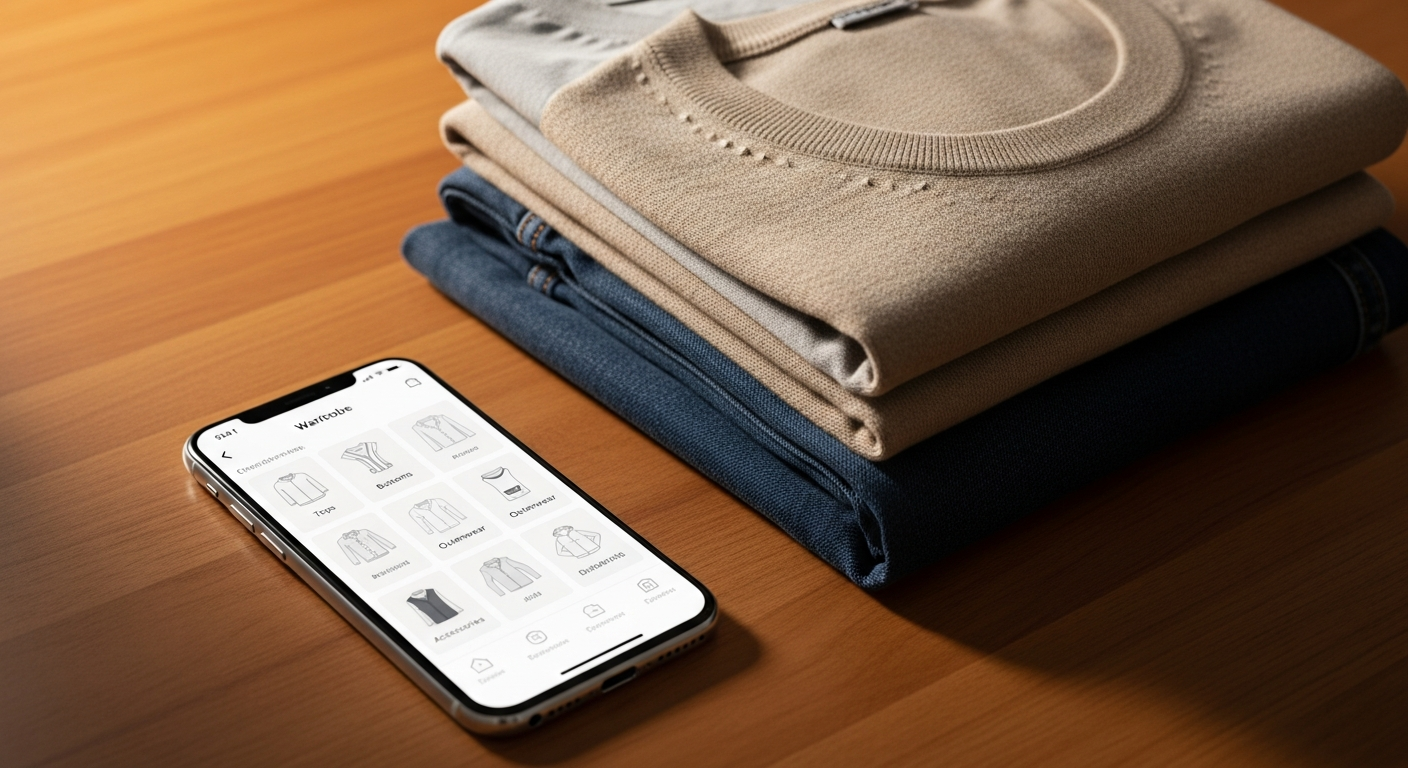
At the basic level, a wardrobe app is a digital version of your closet. You photograph your clothes, and the app stores them as a visual catalog. Instead of rifling through hangers, you scroll through images.
That alone is mildly useful. But the real value comes from what the app does with that catalog.
Outfit generation. The app pairs your tops with your bottoms, layers, and shoes to suggest complete outfits. Good apps consider color matching, formality level, season, and occasion. You get combinations you might not have thought of because the app can see your entire wardrobe at once, without the bias of habit.
Occasion filtering. Telling the app "I have a job interview" or "I'm going to a casual dinner" narrows the suggestions to appropriate options. This is where things get genuinely useful, because formality matching is one of the things guys struggle with most.
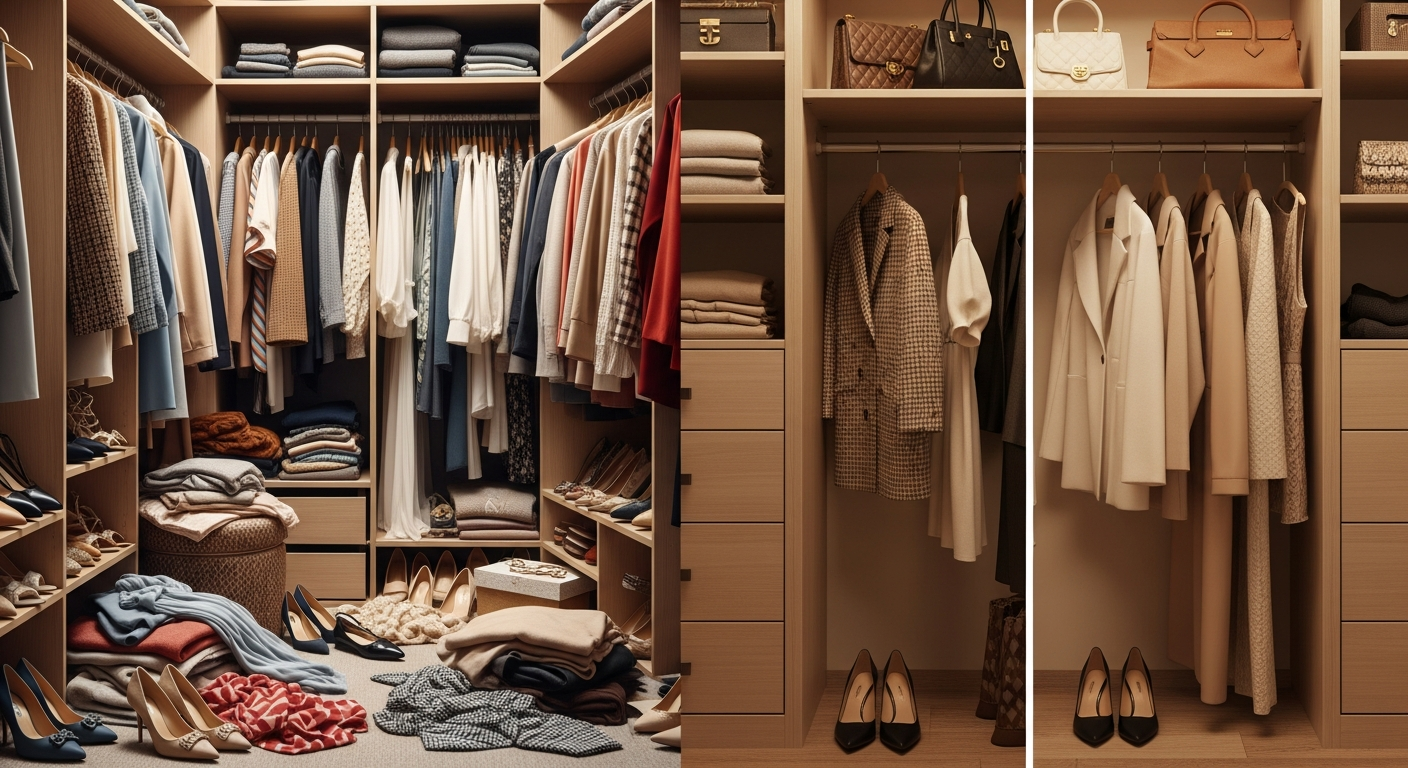
Wardrobe analysis. Some apps track what you wear and surface patterns. You might discover you haven't touched half your closet in six months. Or that you own eight navy t-shirts (and maybe don't need another one). This is the digital version of the closet audit, running in the background.
Gap identification. Based on what you own, the app can identify what's missing. Not in a "buy more stuff" way, but in a "you have lots of casual tops and zero smart-casual options" way. It's useful information that's hard to see when you're standing inside your own closet.
How the AI Part Works
Modern wardrobe apps use image recognition to understand your clothes. When you photograph a navy blazer, the AI identifies:
- Item type: blazer, not a shirt or jacket
- Color: navy, not black
- Formality: smart casual to business casual
- Season: three-season (not summer-only, not winter-only)
- Pattern: solid
- Material: (some apps) wool or cotton based on visual cues
With that data, the app builds a profile of each item and understands which pieces are compatible. It knows a navy blazer works with grey chinos but probably not with navy dress pants (too close in color). It knows the blazer pairs with a white t-shirt for casual or a dress shirt for business.
This is the same logic a stylish friend uses when they look at your closet and say, "Why don't you wear that with those?" The difference is the app remembers every item you own and doesn't get tired of being asked.
Do You Actually Need One?
Honest answer: not everyone does.
You probably don't need a wardrobe app if:
- You have a small, well-coordinated wardrobe and get dressed easily
- You enjoy the process of putting outfits together
- Your daily dress code is a uniform or very consistent
You might benefit from one if:
- You own plenty of clothes but wear the same things repeatedly
- You've bought nice pieces that sit unworn because you're not sure what they go with
- You want to look put-together but don't want to spend mental energy on it
- You've read style guides and thought "this makes sense, but I still don't know what to wear tomorrow"
The sweet spot is guys who have decent clothes but underuse them. That's a lot of men. You already own the wardrobe. You just need help connecting the dots.
Want a free men's style guide?
We put together a 20-piece capsule wardrobe guide with every essential, why it works, and how to combine them into dozens of outfits. Yours free when you join the Grayne waitlist.
GET THE FREE GUIDEWhat Makes a Good Wardrobe App
Not all wardrobe apps are built the same. Here's what separates the useful ones from the gimmicks:
Quick photo capture. If photographing your clothes takes more than 30 seconds per item, you'll never finish cataloging your closet. The app should make this dead simple.
Accurate AI recognition. The app needs to correctly identify colors, types, and formality levels. If it thinks your navy shirt is black, every suggestion that follows will be wrong.
Outfit quality over quantity. Showing you 500 random combinations isn't helpful. Showing you 10 good ones is. The app should filter for color coherence, formality matching, and seasonal appropriateness.
No shopping pressure. Some wardrobe apps are thinly disguised shopping platforms that exist to sell you clothes through affiliate links. The best apps focus on what you already own first.
Minimal time investment. The whole point is saving time. If the app creates a new daily chore, it's failed its purpose. Catalog once, benefit forever.
How Grayne Fits In
Full transparency: this is our blog, and Grayne is our app. So take this with appropriate context.
We built Grayne specifically for men who don't care about fashion but want to dress well. The core workflow is: photograph your clothes, get outfit suggestions, move on with your day.
What makes it different from other wardrobe apps:
- Built for men. Most wardrobe apps are designed for women's fashion. Men's clothing has different rules around formality, color pairing, and occasion-appropriateness. Grayne understands those differences.
- AI that gets context. Tell it the occasion, weather, or vibe and it adjusts. A Monday meeting outfit is different from a Saturday brunch outfit, even using the same closet.
- No shopping agenda. We make money from the app, not from selling you clothes. The recommendations come from your closet, not a brand deal.
If you want to try it, Grayne is free to start. Photograph a few items and see if the suggestions make sense for your life.
The Bigger Picture
Wardrobe apps are part of a broader shift in how people think about clothing. The idea that you need to constantly buy new things is giving way to a simpler question: am I wearing what I already have?
Most guys are sitting on a closet full of good clothes, wearing maybe 20% of them. A wardrobe app doesn't add to the pile. It helps you actually use what's there.
That might sound like a small thing. But ask anyone who's gone from "I have nothing to wear" to "I have five solid outfits ready" and they'll tell you: it changes your mornings.
For more on making the most of your existing wardrobe, start with the capsule wardrobe guide or the outfit building formula. And if you want the shortcut, well, that's what the app is for.